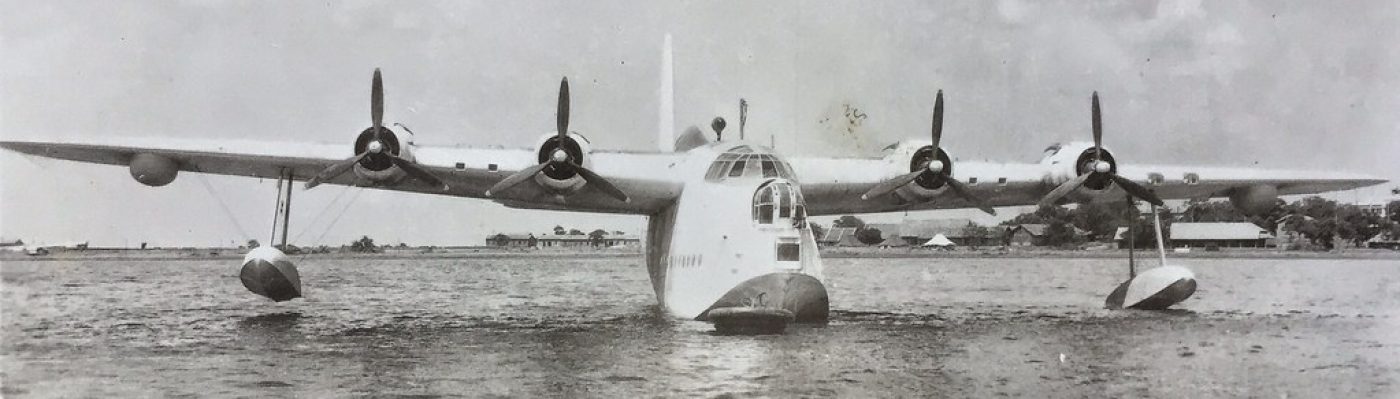

- Crew: Three to five (two pilots, radio operator, navigator, engineer)
- Capacity: Twelve passengers
- Length: 85 ft 4 in (26.0 m)
- Wingspan: 112 ft 9½ in (34.39 m)
- Height: 32 ft 10½ in (10 m)
- Empty Weight: 34,500 lb (15,663 kg)
- Useful Load: 58,000 lb (26,332 kg)
- Powerplant: 4 × Baker X1 crystalline engine, 2,000 hp (1491 kW) each
Performance:
- Maximum Speed: 350 mph (563 km/h) at 6,500 ft (2,000 m)
- Cruise Speed: 220 mph (354 km/h) at 5,000 ft (1,500 m)
- Stall Speed: 78 mph (125 km/h)
- Standard Range: Unlimited (crystal tech)
- Maximum Range: Unlimited (crystal tech)
- Service Ceiling: 56,000 ft (17.069 m)
- Rate of Climb: 1000 ft/min (5.08 m/s)
Equipment:
- Hughes autopilot system
- Radio
- Beaching wheels (detachable)
- Searchlight
- Mooring bollard and mast
- Anchor
On Board Supplies:
- 2 weeks stores (reserve rations)
- 2x inflatable raft
- 12x parachute
- First aid kit
- Fire extinguisher
- Tool kit

Weapons:
The Cygnus has three Nash & Thompson turrets, all loaded with Vickers .303 (7.7 mm) K gas operated machine guns:

- Vickers .303 Machine Gun
- Damage (nose/dorsal/tail)
- 2d6+4 / 4d6+8 / 8d6+16
- Range: 110 yards
- Full Auto
- Ammo per pan magazine – 100
- Malfunction – 99
- Note: the guns can be removed with about five minutes of work and used by hand if needed – use the nose (single) gun damage stats. Using a Vickers .303 by hand without a tripod mount requires STR 70 and SIZ 70.
- Damage (nose/dorsal/tail)
Modifications:
- Landing Gear: Added by Penelope Baker, the Cygnus now has a set of retractable, treaded landing gear. Two struts descend from what would be the bomb hatches in the front while the rear strut protrudes from a water-tight alcove.

- Crystalline engine tech: Added by Penelope, the original engines on the Cygnus have been completely replaced by copper, brass, steel, and strange orange crystal components. The engines no longer need fuel to run, instead being fed by pulses of energy from an unusual “Y” shaped capacitor located just rear of the cockpit. Besides not using any fuel, the engines no longer require air to operate, making the flight ceiling limited to about 56,000 feet (maximum altitude where propellers can still keep the plane moving).
- Water system: the fuel tanks on the plane have been converted to water storage. The engines produce water during operation, pure H20, which is collected in the wings, where the pressure difference chills it to just above freezing. Penelope has added various spigots around the plane, including one in the galley for drinking water, a heated unit for a shower, and different areas where a hose can be attached for cleaning the interior or exterior of the plane. The wings hold nearly 300 gallons of fresh water at any given time, and the engines can completely refill the reservoir in just over ten hours of operation. Excess water is bled off by a valve system to ensure the tanks do not rupture.
 Shadows of the Crooked Cross